There was a period of time growing up where I read and reread any historical fiction books I could get my hands on that related to the U.S. Civil War – and then I went on to World War II. It wasn’t that I was enraptured by war; I rather didn’t like all the facts about battles and who won and how many died and where they happened and the campaign strategy. None of that stuck in my head. Not without personal stories to which I could attach those facts. That’s where the historical fiction books came into play for me. People learn better through stories. Period.
Now, when you read the title of this post, it’s possible you were thinking that putting “wholesome” and “war” in the same sentence is oxymoronic. In a sense, you’re absolutely right. Gore, violence, fighting . . . those are not what I’d put under “wholesome” as a descriptor. However . . . however.
There is a lot of goodness that can be seen amidst the evil of war, so I submit this list to you of books that present goodness and hope in the face of great darkness and brokenness. It’s a list of books that I have read and loved – either as a preteen myself or as an adult – and can wholeheartedly recommend to you and your preteen. So many of them are fantastic fodder for deep conversations with your kids. Take advantage of that!
Just a couple of notes before the book recs:
These books largely focus on wars fought in or by the United States, with the exception of the World War II books listed. The next post in this series will include historical fiction books from other countries, so stay tuned for that!
Also, if you missed them, be sure to visit the other posts in the Wholesome Books for Preteens series:
- 19 “Old-fashioned” and Contemporary Books
- 10 Magical Fantasy Series
- 8 Stand-alone Fantasy Books
- 10+ Historical Fiction Books Set in the U.S.
Fyi: This post may contain affiliate links to bookstores, which means, at no extra cost to you, I’ll receive a commission if you purchase through my links. Please read full disclosure for more information.
American Revolutionary War
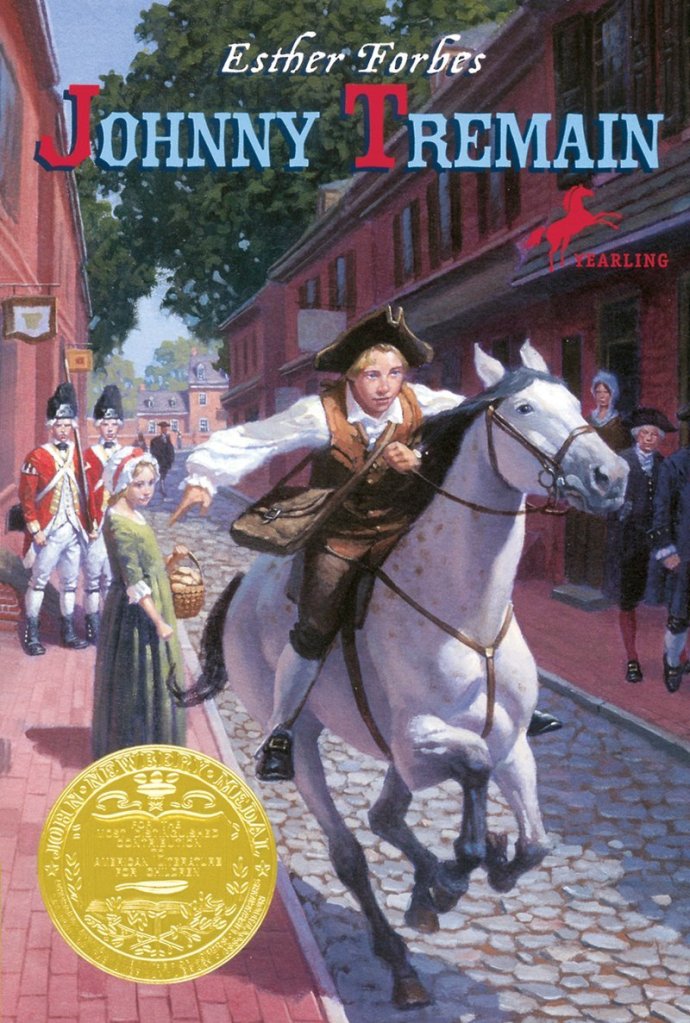
Johnny Tremain by Esther Forbes
This was the first book that I read for a “book study” in school. I didn’t like having to answer questions before getting to read the next chapter, but it’s the first time where I remember considering things like characterization, plot, theme, etc.
What I really remember is how well the author makes the Revolutionary War period come to life, with many historical figures, while also making the Johnny’s story deep and riveting.
Johnny is an apprentice for a silversmith and is not a likeable character at first, but when he experiences the great personal tragedy of burning his hand, he has to find a new purpose for life. He winds up getting involved in the Patriot/Colonist side in the lead up to the American Revolutionary War, which is a major part of why this book helped me imagine more vividly the Revolutionary War time period.
Out of any other books set in that era, Johnny Tremain is the most memorable for me.
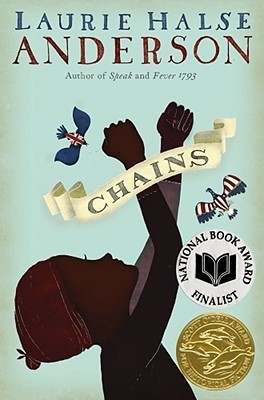
Chains (Seeds of America #1) by Laurie Halse Anderson
I mentioned this in the previous post in this series as a “Set in the U.S.” novel, but now that I think about it, this trilogy belongs more on this list since the series starts at the cusp of the Revolutionary War and continues through its start. I appreciate that this book and series focuses on the African American enslaved perspective, rather than the “typical” main narratives of the war. Read more here.
U.S. Civil War
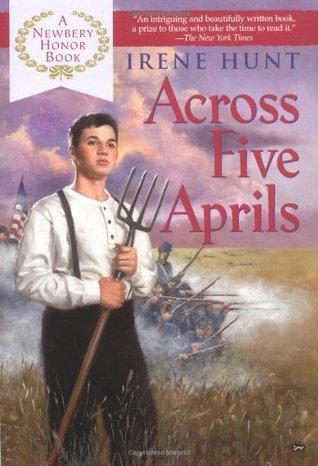
Across Five Aprils by Irene Hunt
A couple of things I loved about this book:
1) The protagonist is 9 years old at the start of the war, so he is about 14 or 15 at the end. Because of the structure of the book stretching “across five Aprils,” it gives a perspective on how long, confusing, and painful the war was to those at home. They had a really tough time deciphering from news reports how the war was going.
2) Though the main character never went to war, he and his family experienced a myriad of things that happened to families during the war which helps make the war feel more real for the average reader: the loss of a brother, the decision of another brother to fight for the Confederacy, persecution from neighbors because of that brother’s decision, whether or not to help deserters who showed up on their property, etc.
Beyond those two things, I loved that Abraham Lincoln made an appearance in the book and how it ends with some hopeful notes despite all of the devastation of the war.
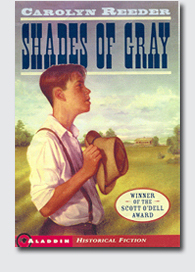
Shades of Gray by Carolyn Reeder
Twelve year-old Will Page lost his entire immediate family in the Civil War, so he moved to live with his maternal aunt and her family. He’s disgusted by this “cowardly” uncle who refused to fight for either side.
The main thing that Will learns through the course of the novel is how to see the perspectives of those who think differently. The fact that not everything is “black and white” is a theme in this novel, which may be why I liked this novel: I’ve been having to learn to see gray my whole life, and this book likely helped me.
A good thing to know and be able to discuss with your preteen would be the fact that Will is pro-slavery and thinks that slavery is sometimes okay because not everyone who had slaves mistreated them. However, slavery in and of itself is still wrong, whether or not the enslaved people were “treated well.”
Some readers don’t prefer this book due to the fact that this is more of a character-driven, day-to-day life type of novel instead of plot-driven; however, I think the themes in this book make it well worth the time for your preteen to read!
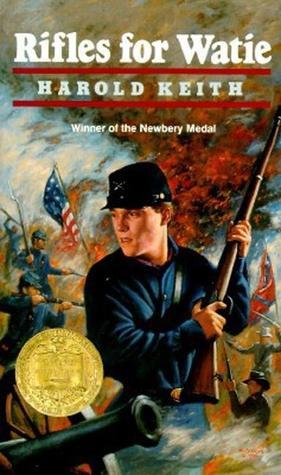
Rifles for Watie by Harold Keith
Set in Kansas and surrounding areas, Rifles for Watie gives a glimpse into what the U.S. Civil War was like on the western front. I’ve found that there are far more books written about the battles in the east, so I was fascinated by all the new information I learned while reading it.
Jeff is a young man who joins the Union, but winds up in all sorts of scrapes – especially when he is sent behind enemy lines as a spy. There’s a touch of romance between him and a girl whose loyalties lie with the Confederacy, and a host of good and bad characters along the way.
It’s an interesting, at times comical, and definitely nail-biting read where you’re cheering for Jeff to figure out who to trust and how to make wise decisions.
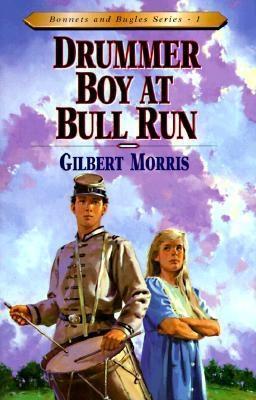
Drummer Boy at Bull Run (Bonnets and Bugles #1) by Gilbert Morris
My church had a library when I was growing up and the Bonnets and Bugles series was part of it. It’s one of the reasons I got hooked on learning about the Civil War and much of my initial background knowledge came from these books. At that point, I was mainly hooked on the romance between two of the characters, but it gave me plenty to think about and discuss with my mom.
Jeff and Leah are friends because of their families, but each family chooses a different side when the Civil War begins. The two friends decide to still be friends no matter what, and the series follows them throughout the war and the ways their lives still intersect. Jeff becomes a drummer boy for the Confederacy and Leah supports the Union army, along with her father.
While I haven’t read these recently to analyze them from an adult perspective now, I truly loved this series as a preteen myself. They were clean in terms of romance and language, and have plenty of themes to discuss about the war.
World War II
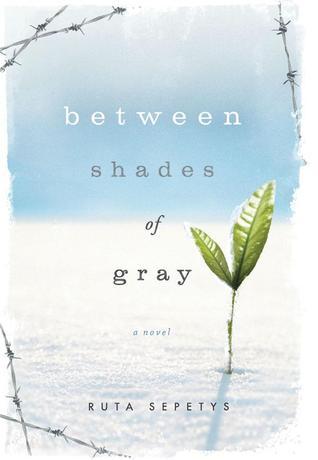
Between Shades of Gray by Ruta Sepetys
Not to be confused with the very similar title I recommended above, Between Shades of Gray is one of the masterpieces from Ruta Sepetys. She is so adept at researching lesser-known aspects of history and weaving novels from her information.
This novel is about Lithuanian Lina and her family who were sent to a work camp in Siberia after her father was arrested and taken away from them. Lina and her family didn’t know if their father is still alive, but Lina devised a way – dangerous though it was – to try to send word through secret messages that she hoped will reach him if he is living.
It is a beautiful, and, of course, heart-wrenching story of courage and hope. I would say it is for the older preteen in your life, but I can’t recommend it enough.

Number the Stars by Lois Lowry
Number the Stars is another of my teacher favorites. It is a phenomenal read-aloud for a class or a family, and it is exquisitely written literature packed into a preteen-accessible book.
There is symbolism, heroism, danger, and deep love of family and neighbors. When I read this to my class several years ago, it made my teacher heart happy to see how Lowry expertly drew them in as readers to be fully invested in what happened to the characters and to ask deep question.
One part that always stays with me is the harrowing walk that protagonist, Annemarie, has to embark on to take something to her uncle who is smuggling Jews across the sea from Denmark to Sweden.
In so doing, she is helping to save her best friend’s life. Kids relate to their close friendship, which helps them understand the emotions behind what Annemarie is experiencing – though they (likely) haven’t lived through something as dangerous.
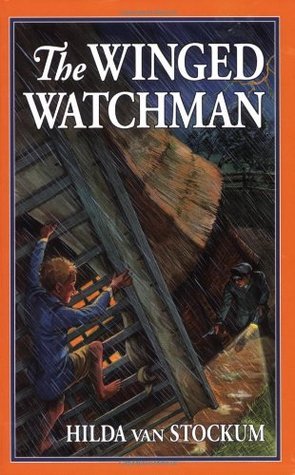
The Winged Watchman by Hilda van Stockum
Set in Holland, this book focuses on a family that participates in the resistance against the Nazis, including helping a downed RAF pilot. It’s a suspenseful, nail-biting story filled with the complex questions with which people had to grapple at that time – and sometimes still have to work through today. I loved reading this book as a preteen and even reread it, too. I highly recommend it, especially as a good conversation starter with your own kid(s)!
One thing to note: I had a tough time finding affordable and available copies available via Thriftbooks or Bookshop. I’m not sure if it’s out of print (or nearly so), but check your library if you can’t find it online!
A popular book I don’t recommend wholeheartedly for preteens: Kimberly Brubaker’s The War that Saved My Life. While it is a story worth reading about how kids were shipped out of London to the assumed safer countryside during WWII, there is a subtle lesbian relationship that is alluded to throughout the book. Just be prepared to talk about that aspect if your preteen reads it.
U.S. – Vietnam War

The Wednesday Wars by Gary D. Schmidt
This novel takes place during the school year of 1967-1968 against the backdrop of the Vietnam War and the presidential election of that year. There are several plot lines in this novel, but they mainly revolve around the relationships that Holling Hoodhood has with various people in his life.
It is not extremely focused on the war itself, but as I read I got a good sense of some different viewpoints on the home front: the worried wives of soldiers, the passionately antiwar youths, the day-to-day lives of parents just trying to make it.
Holling’s home life is a bit tumultuous and not very supportive, and he is convinced that his 7th grade teacher “hates his guts” because he is the only student who doesn’t have a religion class to attend on Wednesday afternoons. Since he is the only one in the class who has to stay with Mrs. Baker each Wednesday, he dubs that class period the Wednesday Wars. She assigns him Shakespeare plays to read and they discuss them together.
It’s a typical coming of age type of novel, with the melodrama of preteen years, the on again off again nature of relationships and crushes. However, there are also themes of community helping out even when parents don’t, of sibling rivalries turning into sibling friendships, and learning how to see the world through more mature lenses. It was a satisfying read such that I found myself looking for other books by the same author.
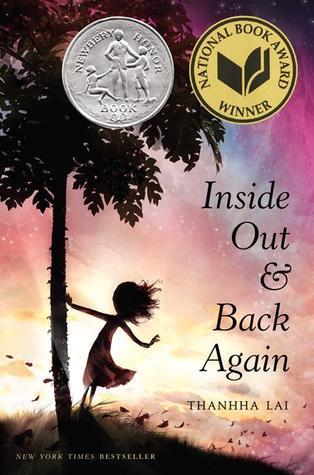
Inside Out and Back Again by Thanhhà Lại
A beautiful book-in-verse, this work of art chronicles one family’s flight from Vietnam to their refugee status in America through the eyes of a preteen. She has to adjust to a new language and new culture while missing her home country, her home food – her home…everything. Having lived in another country myself, there are moments of wry humor that I wouldn’t have caught before living abroad.
This story tugs on one’s heartstrings and grows a person’s empathy for those who have had to flee their homeland and adjust to all sorts of differences in their new home.
It also was the first book-in-verse that I tried, finished, and liked. Though it is written in poetry, it felt generally accessible. What drew me to this book in the first place was the fact that a couple of my students read it and recommended it When your fifth graders recommend a book, it’s at least worth a shot.
I hope you give it a chance too!
What are some of your favorite wholesome wartime books for preteens? What have I left off this list? Tell me in the comments!
Know someone who could use some book recommendations for their preteen? Be sure to share this post with them!
Like ~ Follow ~ Share
♡
 a Look at a Book
Leave a comment